

Quick Answer
The supplements most often used to support the lymphatic system are lactoferrin, an immune-supporting protein, and concentrated liquid extracts (tinctures) of the traditional lymphatic herbs cleavers, cayenne and figwort. A good probiotic helps too, because the gut and the lymphatic system are closely connected. But the biggest non-supplement factor is staying regular: eat enough fiber so you're not constipated. Research on the lymphatic herbs is mostly traditional rather than clinical.
A Nutritionist's Take
"When people ask me about supplements for the lymphatic system, my favorites are lactoferrin and a properly made tincture of cleavers, cayenne and figwort. With those herbs, the form really matters; a well-extracted tincture is what gives them the strength to do their job. I also make sure people are on top of their probiotics, because byproducts from an imbalanced microbiome can put extra load on the lymphatic system. And the one that surprises people most is constipation. I don't want to lean on supplements for that. Eating enough fiber and staying regular is directly connected to how well your lymph can do its job."
— Jordan Dorn, Certified Nutritionist
When people ask me about supplements for the lymphatic system, they usually expect a list of herbs. Herbs are part of it, and I'll cover my favorites below. But some of the most important pieces aren't lymphatic herbs at all. They're your gut, your microbiome and whether you're going to the bathroom every day.
In this article, I'll walk through the supplements I actually recommend, why the form matters so much for herbs, how the gut fits in, and the simple foundations that make everything else work better.
In this article 7 sections
What Does the Lymphatic System Do?

Your lymphatic system is a network of vessels, nodes and organs that collects fluid leaking out of your blood vessels and returns it to your bloodstream. It's also a core part of your immune system: lymph nodes filter that fluid, and white blood cells gather there [1]. Unlike your blood, lymph has no heart to pump it. It moves when nearby muscles squeeze and when you breathe, which is why movement matters so much.
A large share of your lymphatic system sits around your digestive tract. Lymph tissue lines the intestines, and specialized lymph vessels in the gut carry absorbed dietary fats into circulation [2]. That's why, in my experience, you can't really separate lymphatic health from gut health. For the full overview, read our guide to the lymphatic system.
My Favorite Supplements for the Lymphatic System
1. Lactoferrin
Lactoferrin is a protein first discovered in milk and also found in tears, saliva and other secretions, as well as in certain white blood cells. It binds iron, which many microbes need to grow, and it's considered part of the body's innate immune defense [3]. Since the lymphatic system is so tied to immune function, lactoferrin is one of the first supplements I reach for. You can read more in our lactoferrin benefits guide.
Our Lactoferrin Complex provides 250 mg of lactoferrin (as apolactoferrin) in one small capsule, with no fillers, third-party tested.†
2. Cleavers (Galium aparine)

Cleavers, also called goosegrass or sticky weed, is one of the most widely used lymphatic herbs in Western herbal traditions. Herbalists have long used it as a gentle spring tonic to support fluid movement, and it has a mild diuretic action. Most of what we know comes from traditional use rather than clinical trials. More in our guide to cleavers herb benefits.
3. Cayenne (Capsicum annuum)

Cayenne gets its heat from capsaicin. In traditional herbalism it's a warming circulatory stimulant, used to get things moving and to help the other herbs in a formula do their job. A little goes a long way, so it's usually a small part of a blend. See our article on cayenne pepper.
4. Figwort (Scrophularia nodosa)

Figwort has a long history in European herbalism for glandular and lymphatic support. It belongs to a group of herbs called alteratives, which are traditionally used to support the body's elimination pathways. Read more in our guide to figwort root.
Why the Herbs Need to Be in Tincture Form
This is the part most people miss. A cup of tea or a capsule of dried, powdered herb usually isn't concentrated enough to make much of a difference for the lymphatic system. A well-made tincture, or concentrated liquid extract, pulls the active compounds out of the plant, and how it's extracted matters a lot. Fresh herbs, the right extraction method and the right ratios are what separate a strong extract from a weak one.
That's why cleavers, cayenne and figwort are exactly what's in our Lymph Clear, a concentrated liquid extract made from fresh, wild-harvested herbs that you add to water.†
What Customers Report
As of October 2026, Lymph Clear has 269 customer reviews averaging 4.87 out of 5: 246 five-star, 14 four-star, 7 three-star, 1 two-star and 1 one-star. About 30 reviewers mention swelling or puffiness, and about 30 mention lymph nodes. Not everyone had the same experience: several three-star reviewers didn't notice a change after one to two months, one didn't like the fruity taste, and one reported heart palpitations that went away when they stopped taking it. Results vary.
5. A Good Probiotic
Your gut bacteria don't just affect digestion. When the microbiome is out of balance, the byproducts of unfriendly bacteria have more of a chance to reach the rest of the body, and the gut's lymph vessels are one of the routes. In animal research, a bacterial byproduct called lipopolysaccharide (LPS) was absorbed from the gut along with dietary fat and carried through the intestinal lymph [4]. That's one reason I make sure people are on top of their probiotics before expecting much from lymphatic herbs.
Our Multi-Strain Probiotic is a good everyday option to support a balanced microbiome.† For more on the basics, see our guide to improving gut health naturally.
The Surprising One: Don't Be Constipated
If your colon isn't moving, you're putting more load on everything else, including your lymphatic system. This is one I don't want to solve with supplements. The answer is usually food: enough fiber, enough water and enough minerals. A meta-analysis of randomized trials found that adding dietary fiber increased stool frequency in people with constipation [5].
Good fiber sources include vegetables, fruit, beans and lentils, oats, chia and flax. Add them gradually so your gut can adjust, and drink more water as you do. Our guides to natural remedies for constipation and the best and worst foods for the lymphatic system walk through it.
The Lifestyle Foundations
Supplements work best on top of the basics, because lymph depends on movement to flow:
Move every day. Walking, stretching and strength training all help push lymph along. Rebounding is a popular option.
Break a sweat. Exercise hard enough to sweat, and use a sauna if you have one.
Breathe deeply. Deep belly breathing creates pressure changes that help move lymph through the chest and abdomen.
Hydrate. Lymph is mostly water.
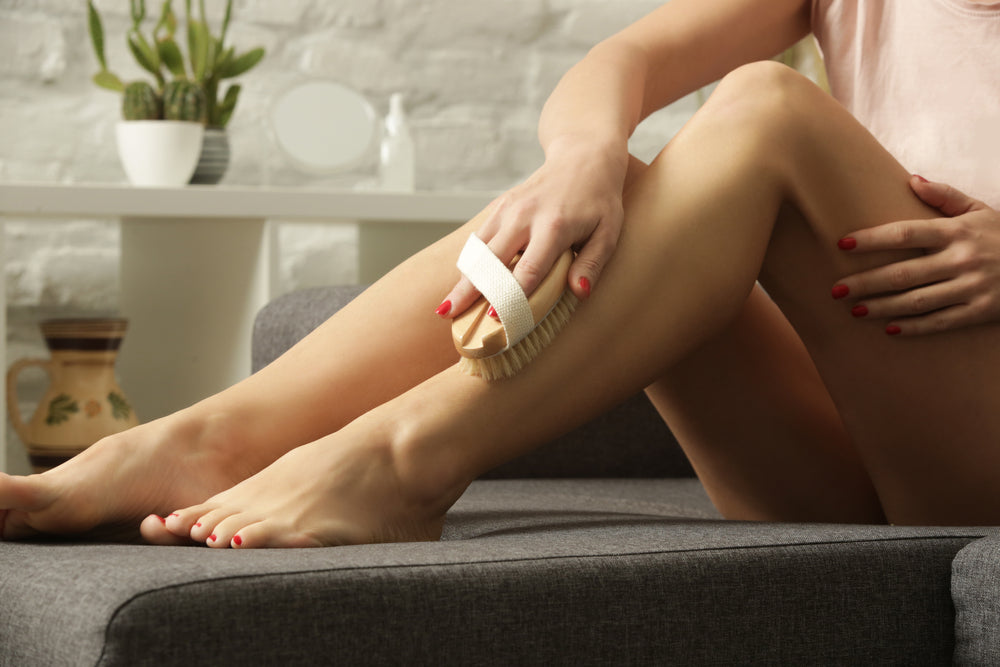
Try manual techniques. Lymphatic drainage massage and dry brushing are gentle add-ons.
For more on how the herbs and foundations fit together, see our guide to the best herbs for lymphatic drainage. If you want a simple starting point, our Complete Lymphatic Health Protocol builds a routine around Lymph Clear.†
Safety Notes
Start with a low dose and follow the label. Talk to your doctor before using lymphatic herbs if you're pregnant or breastfeeding, take blood thinners or blood pressure medication, or have a heart or kidney condition. Cayenne can irritate a sensitive stomach. Lactoferrin is derived from milk, so skip it if you have a milk allergy. Stop anything that doesn't agree with you.
When to See a Doctor
Supplements aren't a substitute for medical care. See a doctor if you have a swollen lymph node that lasts more than two weeks or feels hard or fixed in place, swelling in one arm or leg, unexplained fever, night sweats, weight loss or ongoing constipation.
The Bottom Line
My favorite supplements for the lymphatic system are lactoferrin and a well-made tincture of cleavers, cayenne and figwort, backed by a good probiotic. But the lymphatic system doesn't work in isolation. Keep your gut balanced, eat enough fiber to stay regular, and move every day. Get those right, and the supplements have something to build on.
References
Cleveland Clinic. Lymphatic System: Parts and Function. my.clevelandclinic.org
Bernier-Latmani J, Petrova TV. Intestinal lymphatic vasculature: structure, mechanisms and functions. Nat Rev Gastroenterol Hepatol. 2017;14(9):510–526. serval.unil.ch
Lactoferrin, the Moonlighting Protein of Innate Immunity. Int J Mol Sci. 2023. PMC10650585
Ghoshal S, et al. Chylomicrons promote intestinal absorption of lipopolysaccharides. J Lipid Res. 2009;50(1):90–97. PMID 18815435
Yang J, Wang HP, Zhou L, Xu CF. Effect of dietary fiber on constipation: a meta analysis. World J Gastroenterol. 2012;18(48):7378–7383. PMC3544045
